Willard Jalbert Sr.: The Old Guide of Maine's Allagash River
A firsthand interview with Willard Jalbert Sr., Maine's legendary Old Guide, conducted by his grandson Greg Jalbert during an independent study at Colby College.
About This Interview
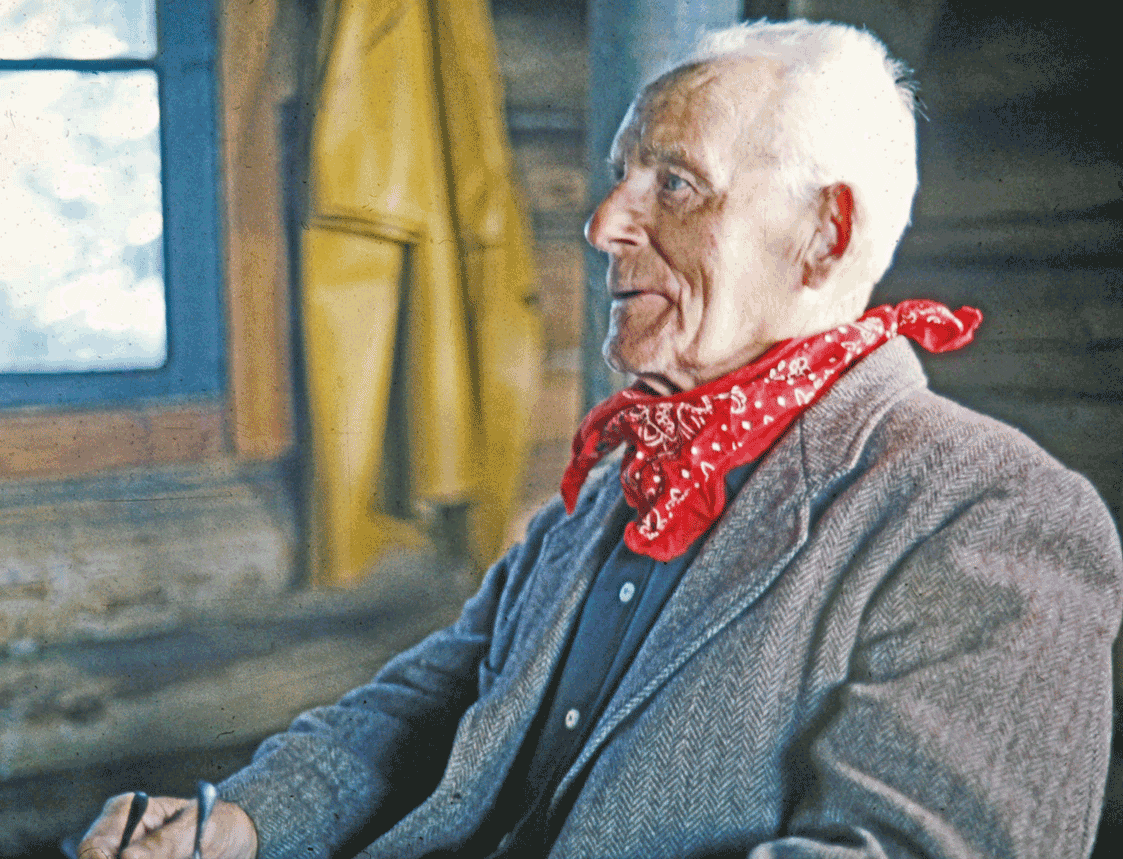
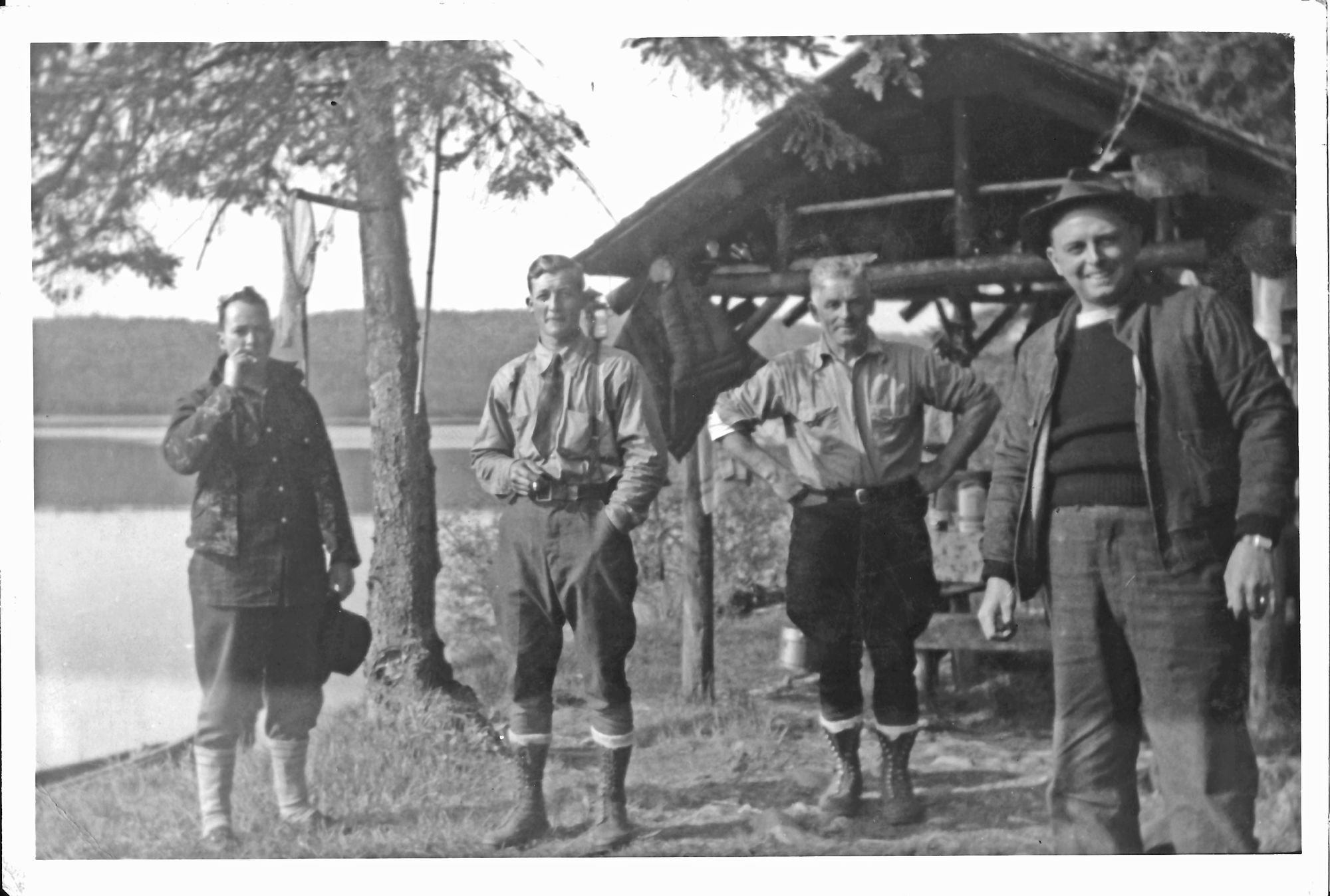
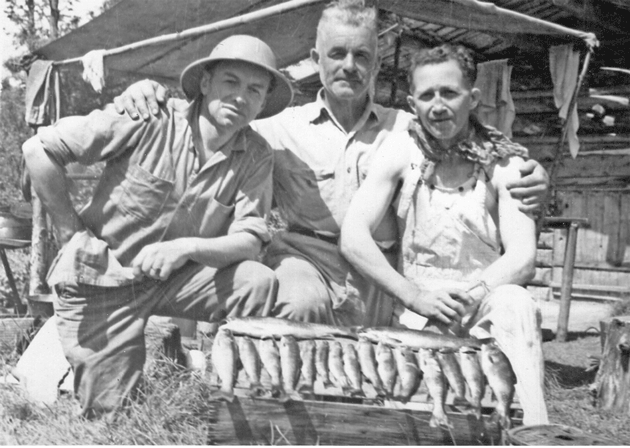
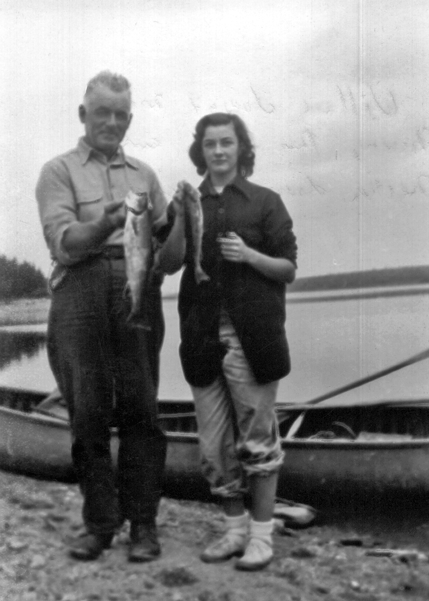
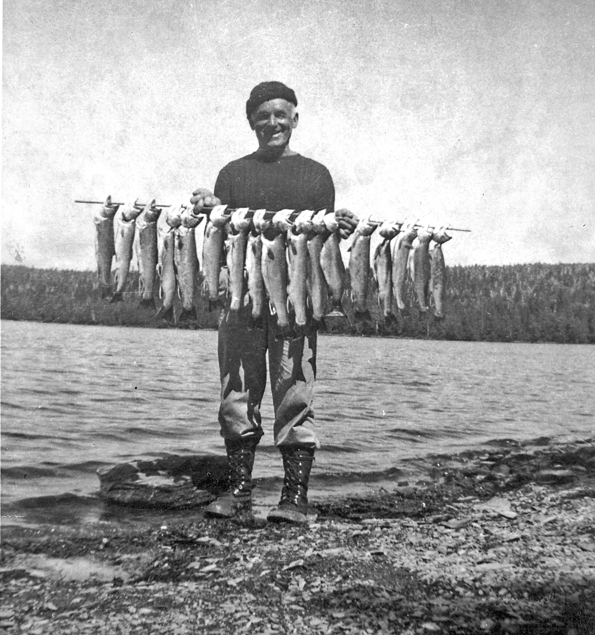
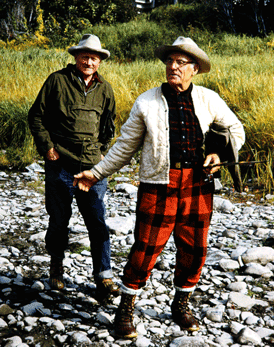
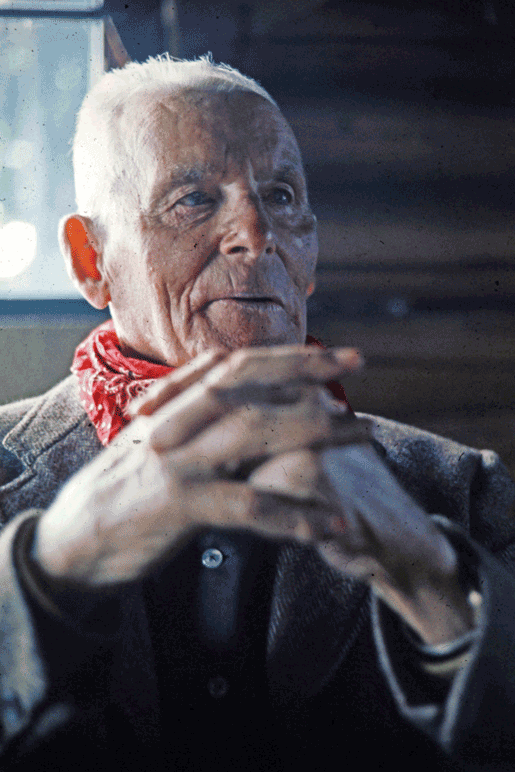
In 1978, while attending Colby College, I interviewed my grandfather, Willard Jalbert Sr., known as the Old Guide, for an independent study.
His recollections offer a firsthand account of life along Maine's Allagash River during an era when wilderness guiding, sporting camps, logging, and family livelihoods were inseparable from the river and its surrounding forests.
The interview is preserved here as part of my family's historical record and as testimony to a way of life that was already disappearing.
Read the 1978 interview with Willard Jalbert Sr.
Five Generations on the Allagash
In 1870, my great-grandparents, Joseph and Helen Russell Jalbert, settled on a 160-acre farm three miles above Allagash Falls, in a frontier settlement now known as Michaud Farm. The settlement included Joseph's brother, Fleurent, and his wife, along with Helen's sister, Susan Russell McClellan, wife of Finley McClellan. Susan gave the newly married couple a 160-acre section of a farm she inherited from her first husband, John Monroe, after his death.
My grandfather, Willard Jalbert Sr., was born on that farm in 1887. Farmer, towboat operator, lumberjack, river driver, trapper, and guide, he found ways to make a living without abandoning the wilderness river that ran through his blood.
"Your grandfather's love of the Allagash," Jim Connors, an old river driver, once told me, "is what kept him poor."
The Old Guide's childhood swung between triumph and tragedy.
As boys, he and his brothers flew up a snow-packed tote road in a sleigh harnessed to a young bull moose.
On May 3, 1892, when he was five years old, he and his eleven siblings gathered around their mother's deathbed. The following day, his older siblings carried her body, shrouded in a bedsheet, down to a dugout canoe. The family buried Helen in the St. Francis Catholic cemetery.
As a teenager, working a log drive run by his older brother, "Wild Joe," Willard stood on a log and rode the sluiceway at Long Lake Dam—a fourteen-foot drop—without losing the felt hat he waved toward his brother and the river drivers eating lunch on the bank.
Jalberts Allagash Camps
During the summers, he guided trout fishermen from an abandoned logging camp and adjoining tent camp on Round Pond. That location is now designated the Outlet Campsite.
In the late 1930s, he moved his guiding operation to Windy Point, where winds from the north and south helped keep the black flies at bay.
But the land belonged to Great Northern Paper Company. In the early 1940s, a company representative forced him off Windy Point and back to the abandoned logging camp at the outlet.
In 1946, after his sons Willard Jr. and Robert returned from World War II, they built their father a fishing and hunting lodge on Windy Point: Jalberts Allagash Camps.
A Great Northern Paper Company representative arrived by bush plane on Round Pond, intending to drive the family off company land once again.
This time, the brothers stood their ground.
They backed the representative against a clothesline that held him like a snare.
"Burn these camps," my father growled, swinging his arm toward the surrounding timberlands of high-value spruce and fir, "and you'll never put out the fire."
A few days later, a ninety-nine-year lease appeared in their mother's Fort Kent mailbox.
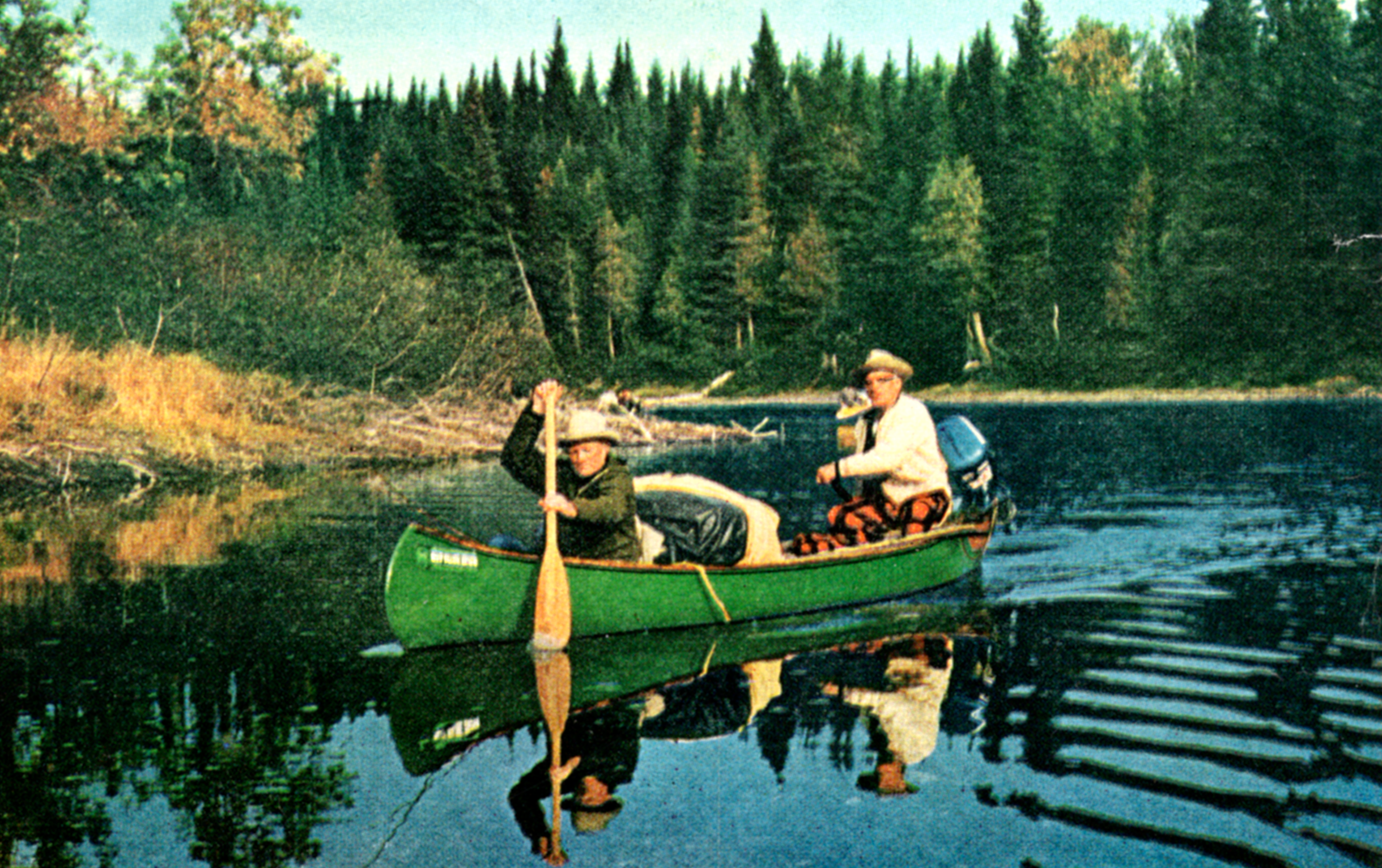
From a landing at Allagash Village, the three men ferried everything needed to outfit the lodge thirty miles upriver by twenty-foot canoe and outboard motor. Lumber, spikes, doors, windows, woodstoves, propane refrigerators, cookstoves—everything had to make the journey, including a half-mile portage around Allagash Falls.
In the late 1940s, they began construction of Halfway Camp, between Allagash Falls and Round Pond. Seven miles upriver from Round Pond, they built another camp at Whitaker Brook.
This time, the timber companies granted leases without question.
C'est comme ça. That's how we rolled.