Before Fort Kent's Can-Am Dog Sled Race, There Was Sunshine.
There were about 50 dogs fenced in a locked area, all sitting on top of individual kennels, and they were hungry. Willard picked out three or four he wanted. When the first dog shot off the kennel roof, all I could see were teeth, and I had a really strong urge to be someplace else.
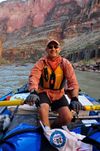
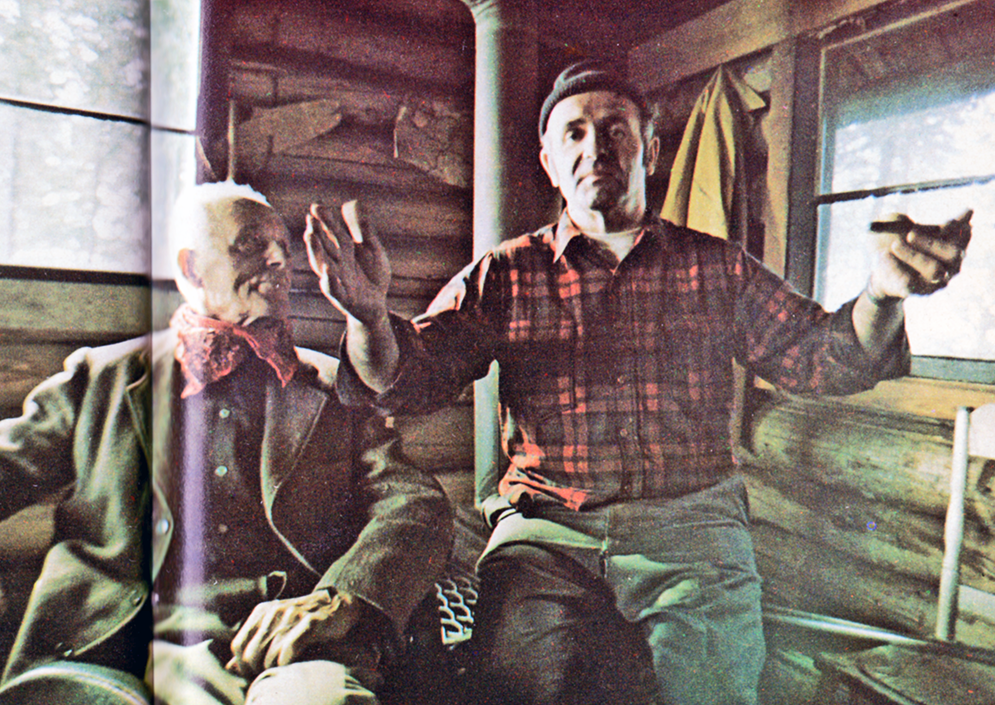
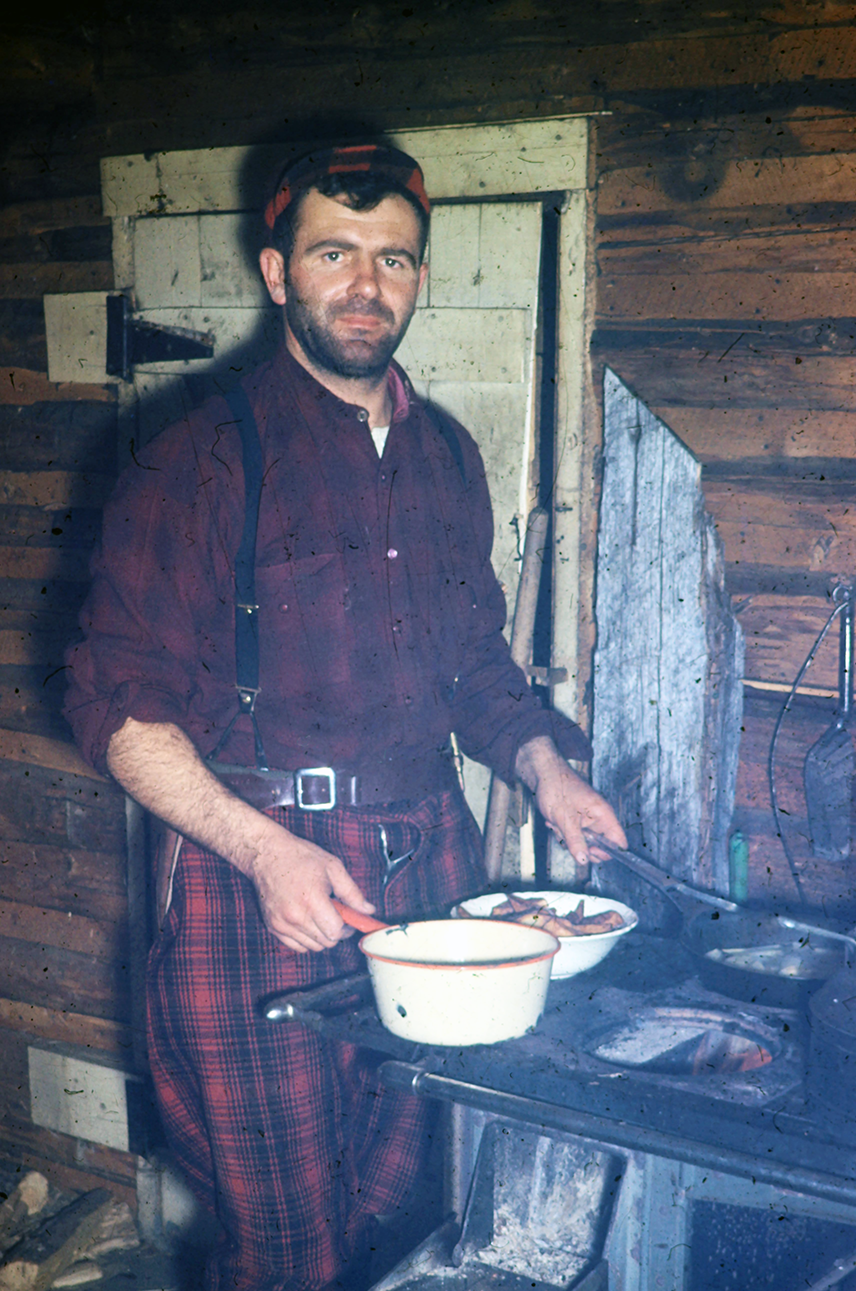
My uncle Willard Jalbert, Jr., had such a sunny disposition that he earned the nickname, Sunshine. He was a big man, broad in the chest and heavy through the arms, with the kind of strength that seemed bestowed rather than earned.
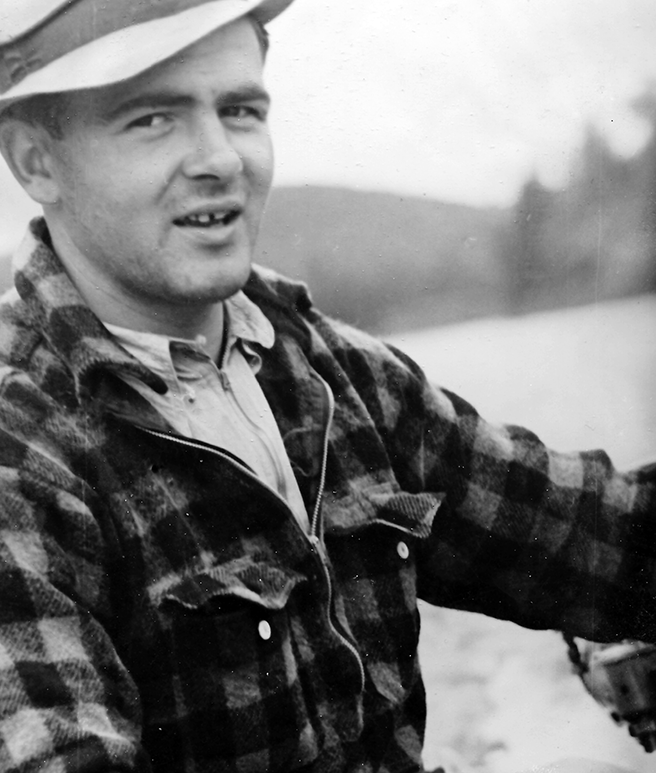
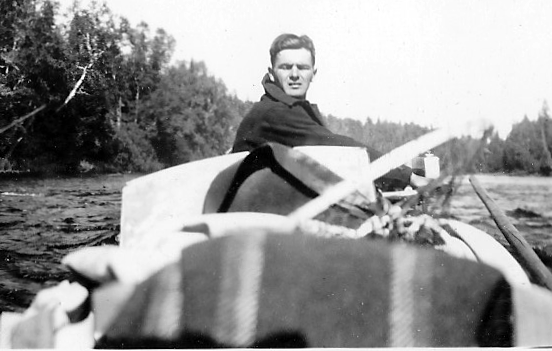
Willard Jalbert, Jr., running the Allagash River.
Even his laugh had force behind it, a deep baritone rumble punctuated by a snort. And he had such an ear for language that when he told a story about the logging camps, he gave every man in it his own voice—the camp cook, the foreman, the old Frenchman, the greenhorn from away—until a kitchen table in Fort Kent could feel like a bunkhouse deep in Maine's north woods.
Because he was so cheerful, some men mistook him for soft. Bullies were especially drawn to that mistake.
In the Army, a drill sergeant once bragged he could break free of any soldier who locked his arms around his chest. He thought he'd turn Willard into a joke by ordering him to wrap his arms around the sergeant's chest. He closed his arms around the sergeant like a bear trap. The sergeant strained and twisted until he passed out and dropped at Willard’s feet.
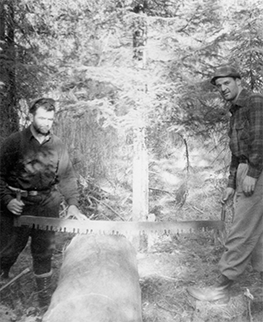
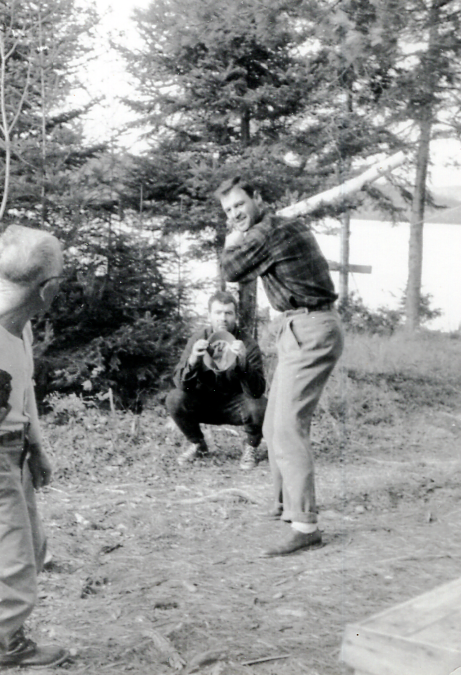
November 1954. Red Sox first baseman Walt Dropo shot an eight-point buck the first day of his hunt. Willard and the Old Guide put the big man to work, along with some play.
Years later, when Willard was chief of police in Fort Kent, he called my father to help him with a pair of drunken sailors making trouble in a local bar. By the time my father arrived, Willard was already in command of the room, trying in his usual way to talk them into leaving peaceably. Then one of them took a swing at him. Willard dropped him where he stood and started dragging him toward the door.
My father couldn't understand why his brother had asked for help. Then, in a voice as calm as if he were asking for another cup of coffee, Willard said, “Robert, open the door.”
My father opened the bar door and the cruiser door. After throwing the sailor into the back seat, he went back for his friend, who grabbed hold of a bar stool bolted to the floor as if it might anchor him as securely as a battleship in a hurricane. Willard took him by the collar and pulled. The stool tore loose from the floor. The sailor came with it, clutching it to his chest like a teddy bear while Willard dragged both man and stool across the floor and shoved him into the back seat of the police car.
Later, working for the Border Patrol along the St. John River, arresting Canadian loggers who crossed over illegally to work in the lumber camps, he became the center of another kind of legend. Lumberjacks working illegally said that if you woke up in a bunkhouse and found Willard Jalbert sleeping beside you, there was no use running. Wearing snowshoes, he could outrun a man in boots pounding down a plowed road. Whether every detail was true hardly mattered. In Maine's north woods, legends didn't rise around a man for no reason.
The story about the sled dogs was one my father told often, and like most family stories, I was never entirely sure what in it was fact and what had swollen into tall tale. Years later, I found Don McEdwards’s account in Echoes magazine. Don had worked with my uncle in the Border Patrol and had helped my uncle build his dog team.
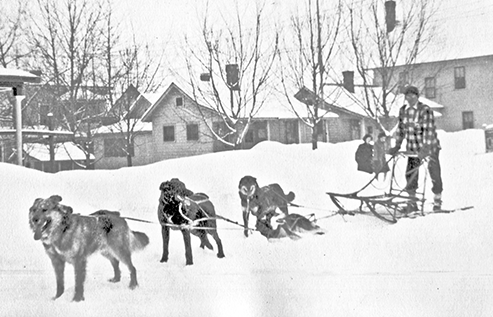
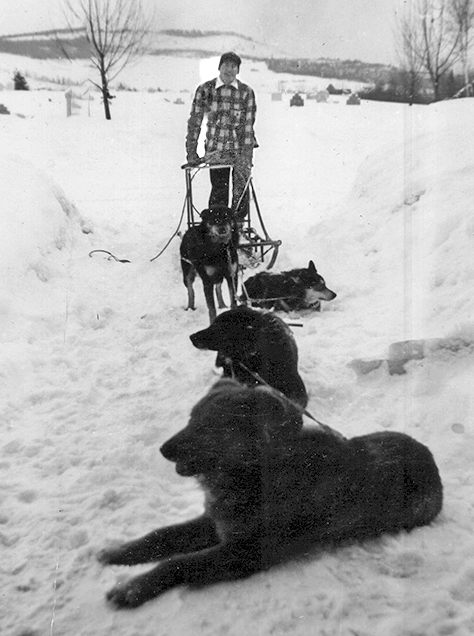
Bob Jalbert with his brother Willard's sled dog team.
Willard got word that the Arctic Search and Rescue Unit at the Presque Isle Air Force Base was being disbanded, and we could have some of the sled dogs there. Willard had just been reunited with his lead sled dog after returning from the service and thought it would be a good idea to fill out the team with some good huskies from the base. Not knowing any better, I went along for the ride.
When we arrived, the place was in turmoil because of the war being over and everyone getting discharged. We could not find any officers in charge, but a GI in the dog-feeding unit said there was no one left to take care of the dogs and he didn't know who was going to feed them. He told us we could help ourselves, but he didn't have a key to get in, so he gave us a hammer to break the lock on the fence.
There were about 50 dogs fenced in a locked area, all sitting on top of individual kennels with their noses in the air and their tails wagging. Each was chained to its kennel so it could not reach the other dogs, and they were hungry. Willard picked out three or four he wanted, knocked the lock off the fence, and we were in. When the first dog shot off the kennel roof, all I could see were teeth, and I had a really strong urge to be someplace else.
By this time, Willard had put on a thick sheepskin coat that went down to the ground. It looked like the ones soldiers wore around Stalingrad in the winter. He would approach a dog, raise his arm and let the dog grab it. Then he would reach around, pick up the dog's rear end and flip it into the snowbank until it was stunned. He told me to open the car door and put the seat forward so he could throw it in the back seat. This was repeated until we had four dogs in the back seat. Willard told me to open the door and let him in the back and lock the door. When he got in with them, all hell broke loose. With that big coat and heavy gloves on his hands, they couldn't get to him, but they tried, and Willard showed them who was boss. All I could see was a blur of upholstery and dog fur with Willard sitting in the middle with a grin on his face.
Reluctantly, I got in and we started for Fort Kent. I was glad to get home in one piece. Willard turned each one loose with his lead dog, who promptly showed them he was boss, and in no time he had a team.
But they would only work for him. They would be going good and Willard would step off the runners to let me get on. Immediately, they would all stop, curl their tails, sit down and grin at me over their shoulders. A stick of dynamite wouldn't move them.
Now, they had to be fed, and scraps of meat from the markets in town were soon cleaned out. We went to the lumber camps to find horses that had gotten "sluiced" and killed. When we'd found one frozen in the snow, we'd have to fight the bears for it.
During the winter of 1976, Willard and his son Billy were killed late one night in a head-on collision with a tractor-trailer. After that tragedy, no story about my uncle could be told without carrying the weight of that knowledge.
At his wake, tough men with calloused hands—loggers and farmers who were not in the habit of showing much emotion—stood in the back of the funeral parlor and wept openly. He had been so large in spirit, so full of laughter, force, mimicry, and motion, that his absence altered the dimensions of Fort Kent. His loss made our world feel smaller and more mundane, as though some wild amplitude had gone out of it and would not return.
Willard survives in memory not as a fixed figure but as a presence—half history, half legend—still alive whenever someone leans back, begins to laugh, and says, “Do you mind the time me and Sunshine we was fishing up along the Allagash? Upon my soul to Christ....”